

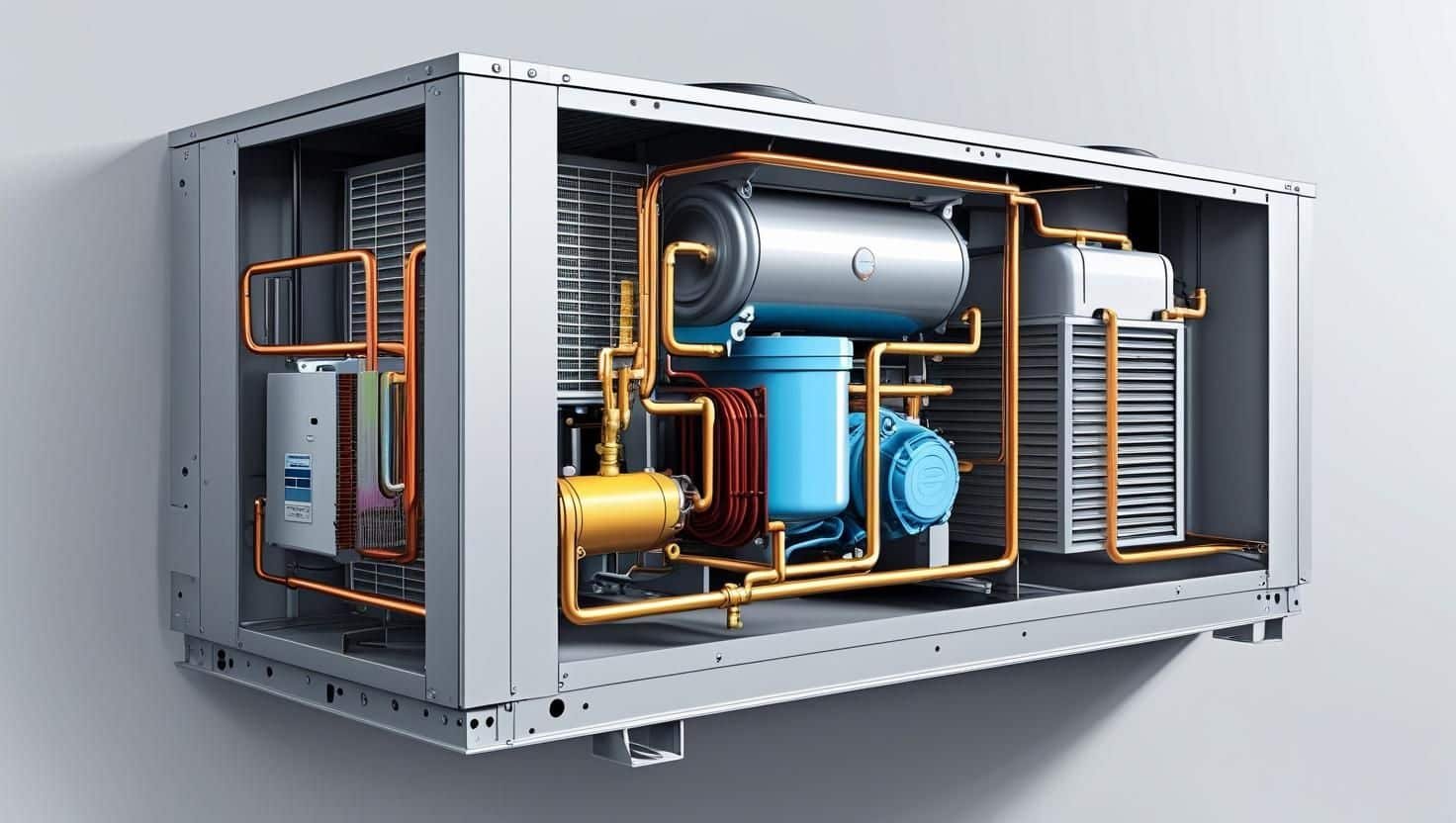
What to Do When Your AC Is Not Cooling: Practical Solutions
Experiencing a malfunctioning air conditioner can be frustrating, especially during the hot summer months. If you are wondering what to do when your AC is not cooling, this guide provides practical steps to help you troubleshoot and potentially resolve the issue.
Identify Common AC Problems
Before diving into solutions, it’s essential to understand some common reasons why your AC might not be cooling effectively. This knowledge will guide you in making informed decisions.
- Dirty Air Filters: Clogged filters restrict airflow, causing inefficiency.
- Thermostat Issues: Incorrect settings or a faulty thermostat can disrupt cooling.
- Refrigerant Leaks: Low refrigerant levels severely impact cooling efficiency.
- Blocked Condenser Unit: Outdoor units obstructed by debris can affect performance.
Step-by-Step Troubleshooting Approach
If you’re facing what to do when your AC is not cooling, follow these step-by-step troubleshooting methods to identify and fix the problem.
Check Power Supply
Ensure that the AC unit has power. Check the circuit breaker and reset it if necessary. A tripped breaker can halt the functionality of your AC.
Inspect Filters and Vents
Dirty filters are a common culprit. Clean or replace air filters every 1-3 months. Ensure vents are open and unobstructed to allow free airflow.
Examine Thermostat Settings
Ensure the thermostat is set to ‘cool’ and the temperature is lower than the room temperature. Replace batteries if needed. If malfunctioning, consider replacing the thermostat.
Inspect the Outdoor Unit
Clear any debris around the condenser unit and ensure there’s at least two feet of clearance. This simple step can significantly enhance cooling efficiency.
Expert Insights and Recommendations
To maintain optimal performance and avoid future issues, consider these expert insights:
Regular Maintenance
Schedule a professional maintenance check annually, ideally before the cooling season begins. This can prevent many common problems from arising.
Ensure Proper Insulation
Well-insulated homes maintain the cooling effect more efficiently, reducing the workload on your AC unit.
Address Small Issues Promptly
Ignoring minor issues can lead to significant problems. Regularly inspect your AC unit for unusual noises or performance dips and address them early.
You might also like:


When to Call a Professional
If your troubleshooting efforts don’t resolve the problem, it may be time to involve a professional. Here are scenarios where professional help is recommended:
- Refrigerant Leaks: These require professional repair and refrigerant recharge.
- Electrical Issues: Always hire a certified technician for electrical repairs to avoid safety risks.
Cost Considerations and Realistic Expectations
Understanding the potential costs involved can help you make better decisions:
- Filter Replacement: $10-$20.
- Thermostat Replacement: $20-$200.
- Professional Repairs: $100-$1,000, depending on complexity and parts needed.
- Annual Maintenance: $75-$200.
Safety Considerations
Safety should always be a priority when dealing with electrical appliances:
- Always turn off power before inspecting the AC unit.
- Schedule annual professional maintenance to ensure all safety protocols are followed.
Additional Insights on what to do when your ac is not cooling
Understanding do when your ac not cooling thoroughly involves considering various aspects and practical implications.
Important Considerations
When working with do when your ac not cooling, keep these key factors in mind:
- Planning: Proper preparation for do when your ac not cooling activities
- Resources: What you’ll need for successful do when your ac not cooling outcomes
- Timeline: Realistic expectations for do when your ac not cooling processes
- Results: What to expect from do when your ac not cooling efforts
Frequently Asked Questions About what to do when your ac is not cooling
What should I know about do when your ac not cooling?
The most important aspects of do when your ac not cooling include understanding the basics, knowing your options, and recognizing when you need additional help or resources.
How do I get started with do when your ac not cooling?
Begin by gathering information about do when your ac not cooling, assessing your current situation, and creating a plan that matches your goals and resources.
Conclusion
By following these practical steps, you can address the frustration of this solution. Regular maintenance, prompt attention to small issues, and professional help when needed will keep your AC running efficiently. For a visual guide, check out this helpful video:
These proactive measures will not only restore comfort but also extend the lifespan of your AC unit.
This hits different 👏
This is the upgrade we needed 🤖
This changes everything 🤯
Can’t wait to try this out! 🤩
Big W for the tech community! 🏆
That’s how you innovate! 💯
Insanely futuristic design 🔥
The possibilities are endless! 🌐
Great implementation of new tech 🔧
That’s some serious innovation 🧠