

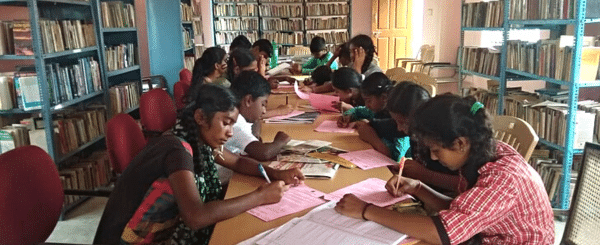
From Red Zones to Rising Stars: Books, Solar Lights & a Sprinter from Naxal Affected Area Gadchiroli and Bastar
Sometimes, change doesn’t arrive with noise.
It walks in quietly—with a book in a forgotten village, a solar light on a pitch-dark road, or a boy running barefoot toward an impossible dream.
For years, regions like Gadchiroli and Bastar were known more for fear than for hope—marked by Naxalism, power cuts, and lost opportunities. But over the last few years, something has start.ed to shift in these regions—not overnight, but steadily. With the help of focused development efforts, better policies, and on-ground support, areas once known only for conflict are now slowly stepping into the light.
Among several positive initiatives, one simple but powerful idea took shape in 2023 —“One Village, One Library.”
It started with a single room, some books, a few computers, and a vision: to open doors for young minds in places where opportunities were once scarce.
What started as an idea to bring learning into conflict-hit zones has now resulted in 71 functional libraries across Gadchiroli. More than 8,000 young people use them to study, prepare for competitive exams, and access the internet—often for the first time in their lives.
These libraries are not just rooms with books. They are hubs of opportunity. Police officers, villagers, NGOs, and gram panchayats worked hand-in-hand to bring these libraries to life. Old buildings were repaired, desks and books were arranged, and Wi-Fi was provided through police connectivity. Behind the scenes, many of these efforts were made possible thanks to support from central government schemes and departments, which helped with infrastructure, digital access, and coordination at the grassroots level. The result? A generation that once risked falling into the wrong path is now chasing dreams and clearing exams.
Meanwhile, in the remote tribal villages of Maharashtra, a different kind of problem was being solved—darkness.
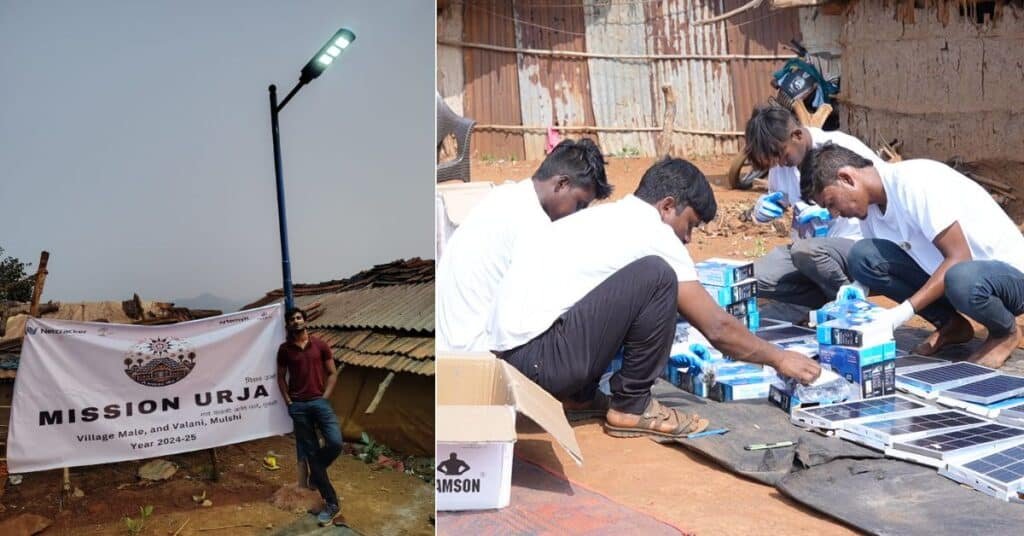
Mission Urja
For many families, sunset meant silence. No electricity. No lights. No way for kids to study or women to step out safely.
Then came Mission Urja, launched by an engineer with the support of the government. Through solar and hydro power, more than 1,400 tribal families now have reliable electricity. Villages light up after dark. Phones are charged. Homes are safer. A basic right—light—has brought back confidence and dignity.
- And in the heart of Bastar, a young man was preparing to sprint his way into history.

Animesh Kujur, 10.18 seconds in a 100-meter
You might also like:
Animesh Kujur, a 22-year-old athlete, recently clocked 10.18 seconds in a 100-meter race in Greece—becoming India’s fastest man. His journey started in a school race, backed by athlete parents, shaped by early morning training, and guided by British coach Martin Owens.
From a region known for red alerts to wearing India’s colors on a global track—Animesh’s story is proof of what’s possible when talent meets opportunity.
Each of these stories—books in Gadchiroli, lights in tribal homes, a sprinter from Bastar—is different. But they share one thing in common: they were made possible because someone believed change was worth fighting for.
This is the real India. Not just a country of cities and skyscrapers, but of villages rising quietly, with books, solar panels, and unstoppable willpower.
The next time someone says nothing changes, tell them this:
A book can replace fear. A light can bring back dignity. And one boy from Bastar can run fast enough to change the story of a nation.
Jai Hind, Jai Bharat
“The Motherland is our only mother. Our Motherland is higher than heaven. Mother India is our mother. We have no other mother. We have no father, no brother, no sister, no wife, no children, no home, no hearth — all we have is the Mother:”
― Bankim Chandra Chattopadhyay, Anandamath